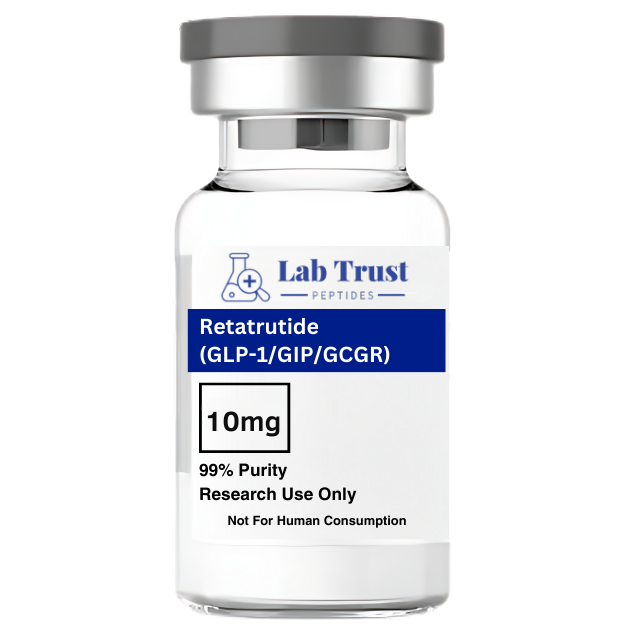
In the fast-paced world of biochemical research, innovative compounds continue to reshape our understanding of metabolic regulation. Among these, the retatrutide research peptide has emerged as a fascinating tool for scientists exploring complex endocrine interactions. With its multi-receptor functionality, this peptide offers unique opportunities to study metabolic pathways in a controlled laboratory setting, enabling more precise and meaningful experiments.
What Makes Retatrutide Research Peptide Stand Out?
At its core, retatrutide research peptide is a synthetic compound designed to act as a triple agonist targeting GLP-1, GIP, and glucagon receptors. This multi-faceted approach sets it apart from conventional peptides, offering researchers the ability to study multiple hormonal pathways simultaneously.
One notable feature of this peptide is its high purity, typically exceeding 99%, which is essential for reproducibility in experimental research. The inclusion of rigorous Certificate of Analysis (COA) documentation ensures that every batch is verified for consistency, allowing labs to maintain strict quality standards.
- Researchers often appreciate its reliable cold-chain shipping, which preserves the structural integrity of the peptide, preventing degradation before use.
Applications of Retatrutide Research Peptide in Laboratory Studies
The potential applications of retatrutide research peptide are broad, reflecting its multi-receptor design. It has become invaluable in studies related to metabolic regulation, energy balance, and hormone signaling.
Multi-Pathway Metabolic Studies
Laboratories investigating endocrine interactions benefit significantly from the triple-agonist nature of retatrutide. By simultaneously engaging GLP-1, GIP, and glucagon receptors, scientists can model intricate metabolic responses, including glucose and lipid regulation. These models provide insight into how the body’s hormonal systems interact under various conditions, which is especially useful in obesity and diabetes research.
Experimental Flexibility
Beyond metabolic studies, retatrutide serves as a platform for exploring experimental techniques in peptide research. Researchers can adjust dosages, observe receptor-specific interactions, and integrate the peptide into advanced analytical studies such as LCMS screening and sterility verification. Its adaptability enhances the reproducibility and reliability of research outcomes.
Guidelines for Handling and Storage
Proper handling of retatrutide research peptide is essential to maintain its efficacy in research applications. The peptide is supplied in lyophilized form, typically in sterile laboratory vials. Researchers are advised to reconstitute the powder using bacteriostatic water or an appropriate laboratory solvent following standard research protocols.
Storage recommendations include:
- Keeping lyophilized vials at -20°C and reconstituted solutions at 2–8°C to preserve stability.
These measures ensure that experimental results remain consistent and accurate, reflecting the true potential of this peptide in research environments.
Why Researchers Trust Retatrutide
A growing number of labs in the United States and internationally rely on retatrutide research peptide due to its consistent quality and comprehensive documentation. Independent testing for heavy metals, endotoxins, and sterility reinforces confidence in its use, making it a preferred choice for advanced research applications. Scientists frequently report the reliability of batch-to-batch consistency as a key factor in achieving reproducible experimental results.
Conclusion
The retatrutide research peptide represents a powerful tool for modern metabolic and endocrine research. Its multi-receptor action, high purity, and rigorous quality control make it indispensable for laboratories seeking to explore complex hormonal pathways. By integrating this peptide into their studies, researchers can achieve greater experimental precision and uncover insights that advance our understanding of metabolic regulation.