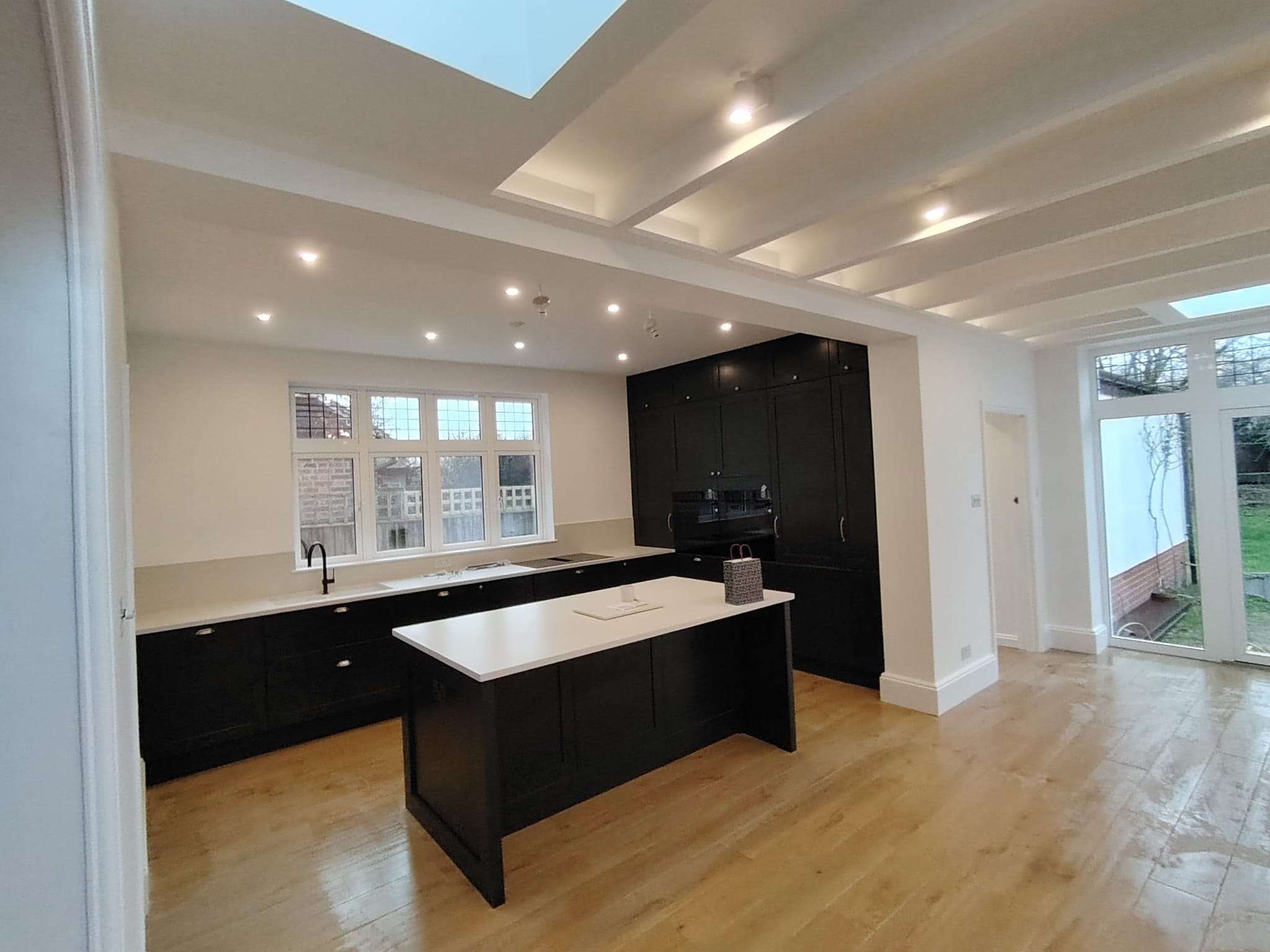
There’s a particular kind of nervous excitement that comes with picking up the phone to enquire about building work for the first time. You’ve probably rehearsed what you’re going to say, maybe jotted down a few notes about what you want, and you’re hoping the person on the other end gets what you’re after. That first conversation tells you more than you’d think. So, let’s walk through the whole journey, start to finish, and talk about what working with a genuinely good Builder in Cambridge should feel like at every stage.
The First Conversation Sets the Tone
Before any bricks are laid or plans are drawn, there’s usually just a conversation and it matters more than people realise. A good Builder in Cambridge will ask thoughtful questions rather than jumping straight to numbers. What are you hoping to achieve? How are you using the space now, and how do you want to use it in future? These aren’t throwaway questions; they shape everything that follows.
This early stage is also where you’ll get a feel for how responsive someone is. Do they call back when they say they will? Do they seem genuinely curious about your project, or are they clearly juggling ten other calls at once? None of this guarantees the final work will be brilliant, but it’s a reliable early signal of what working together will be like.
Getting the Details Right Before Work Begins
Once you’ve decided to move forward, the real groundwork starts, and this is where a professional Builder in Cambridge really earns their reputation. Surveys need doing, materials need sourcing, and depending on your project, planning permissions might need sorting too. It’s not the most glamorous part of the process, but it’s arguably the most important.
One thing that’s genuinely worth clarifying before signing anything:
- Ask for a clear written breakdown of costs and timelines, so there’s no ambiguity later about what was agreed.
Beyond the paperwork, this stage is also a good moment to talk through your daily life during the build. Will you need to relocate temporarily? Is there a room you absolutely need kept usable throughout? Getting these practical details sorted early avoids a lot of frustration once work is underway.
Living Through the Build (Without Losing Your Mind)
Here’s something people don’t often talk about living alongside a building project is a bit of an adjustment, even when everything’s going smoothly. Dust, noise, and the occasional early morning delivery van become part of daily life for a while. A considerate Cambridge Builder understands this and does what they can to minimise disruption, whether that’s sticking to agreed working hours or keeping shared spaces reasonably clear.
It also helps enormously when there’s a clear point of contact throughout the project. Instead of chasing different people for updates, knowing exactly who to call with a quick question makes the whole experience feel far less chaotic.
Watching the Craftsmanship Take Shape
There’s something genuinely satisfying about watching a project slowly come together, especially once the finishing touches start going in. This is where the skill of a good Cambridge Builder really becomes obvious: clean edges, properly fitted joinery, finishes that look intentional rather than rushed. It’s the difference between something that looks fine on day one and something that still looks great years later.
Good builders tend to slow down slightly at this stage rather than rushing to finish, because they know these final details are what you’ll notice every single day once you’re living in the space again.
Handover Day and What Happens After
Handover day is exciting, but a good building relationship doesn’t just end the moment the last box of tools leaves your driveway. A trustworthy team will walk you through everything that’s been done, explain any maintenance tips relevant to the work, and remain reachable if any small snagging issues pop up in the weeks afterward. That kind of aftercare says a lot about a company’s genuine standards.
It’s also worth asking, before the project even begins, how snagging issues are typically handled once the job is technically finished. A confident, experienced team won’t shy away from this question, because they know minor tweaks are a normal part of any build.
Conclusion
Looking back over the whole process from that first nervous phone call to the final handover, it becomes clear that good building work is really about consistency, honesty, and care at every single stage. If you’re looking for a team that carries that same attention right through to the end, Stefan Buildings approaches every project with exactly that mindset, treating each home with the same care they’d want for their own family. Wherever you are in your journey, taking the time to choose people who genuinely care about the process will make all the difference to how it feels along the way.
Frequently Asked Questions
- What should I ask during my very first enquiry call?
Ask about their experience with similar projects, rough timelines, and how they typically structure quotes and communication.
- How can I prepare my home before building work starts?
Clear the work area as much as possible and discuss with your builder which rooms or spaces need to stay usable throughout.
- What is snagging, and is it normal?
Snagging refers to small fixes needed after the main work is finished, and yes,it’s a completely normal part of most projects. - How do I stay updated during a long project?
Ask for a single point of contact and agree on how often you’ll receive progress updates, whether by call, text, or in person.
- Does a builder’s service end at handover?
Not with a good one. Many reputable builders remain available for a period afterward to address any minor issues that arise.